

Price: $359.99
(as of Feb 27, 2026 01:09:29 UTC – Details)

Samsung 870 EVO 2TB SATA III Internal SSD Review: Performance, Reliability, and Compatibility in Focus
The Samsung 870 EVO 2TB represents the culmination of years of solid-state drive innovation from one of the industry’s most respected manufacturers. As a mainstream SATA SSD designed for broad compatibility and consistent performance, this drive aims to serve as a dependable upgrade for systems ranging from everyday productivity machines to professional workstations handling demanding workloads.
Design and Build Quality
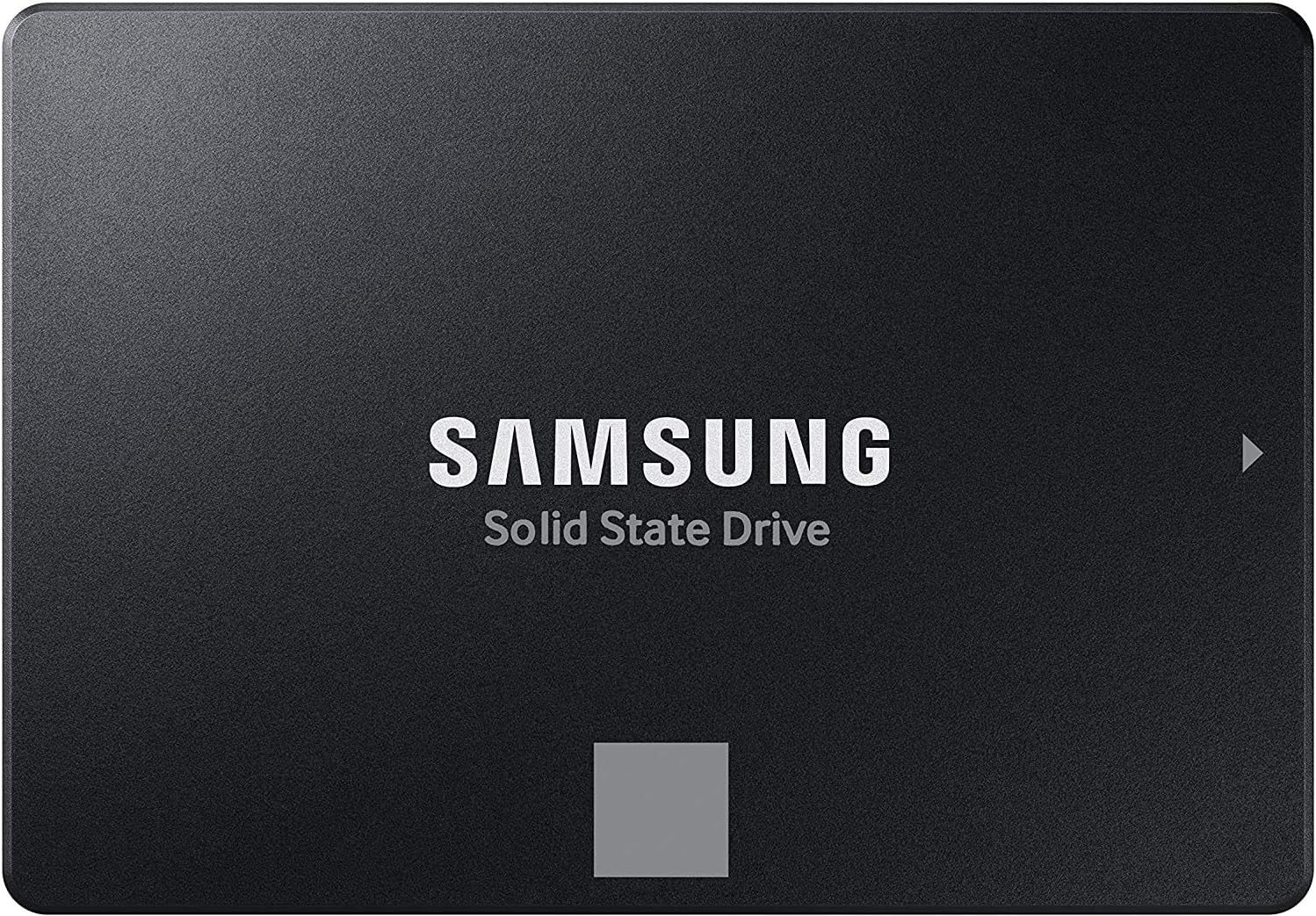
The 870 EVO arrives in the familiar 2.5-inch form factor that has become the standard for SATA storage solutions. The drive measures the standard 100mm × 69.85mm × 6.8mm, making it compatible with virtually any system that accommodates traditional hard drives. The all-black casing with a subtle Samsung logo offers a clean, professional appearance that aligns with its enterprise-grade capabilities.
Weighing approximately 51 grams, the drive feels solid without being cumbersome. The sturdy metal chassis suggests durability, and the internal components reflect Samsung’s reputation for quality manufacturing. This build quality translates to the drive’s environmental specifications, which include shock resistance up to 1,500 G with a 0.5 ms half-sine wave tolerance – impressive for a storage device that may be subjected to various physical conditions in consumer and professional environments.
Performance Characteristics
Samsung has positioned the 870 EVO to maximize the capabilities of the SATA III interface, achieving sequential read speeds of up to 560 MB/s and sequential write speeds of up to 530 MB/s. These figures represent the practical limits of SATA technology rather than theoretical maximums, demonstrating thoughtful engineering that extracts every possible bit of performance from the interface.
The drive utilizes Samsung’s Intelligent TurboWrite technology, which employs a variable buffer to accelerate write operations and maintain sustained performance over extended usage periods. This technology proves particularly valuable during workloads involving large file transfers or sustained write operations, where lesser drives might experience performance degradation. The larger variable buffer compared to previous generations allows for more data to be temporarily stored in high-speed cache, reducing the impact of bursty workloads on overall system responsiveness.
Random read and write performance also merits attention, with the drive capable of delivering thousands of IOPS for typical 4K operations. While officially rated sequential speeds are the headline figures, real-world performance benefits from these random I/O capabilities are just as significant for everyday computing tasks.
It’s worth noting that performance can vary depending on firmware versions and system configurations. The test system referenced by Samsung – featuring an Intel Core i7-7700K, 32GB DDR4 memory, and Windows 10 Pro – represents a high-end configuration, but users with different hardware may experience variations in performance metrics.
Reliability and Endurance
One of the most compelling aspects of the 870 EVO is its endurance rating. With up to 2,400 TBW (Terabytes Written) over the drive’s lifetime, Samsung offers enterprise-level reliability in a consumer product. This rating means the drive can theoretically write 2,400 terabytes of data before encountering wear-leveling limitations – an amount that far exceeds the needs of most users.
The 5-year warranty accompanying the 870 EVO provides peace of mind and reflects Samsung’s confidence in the drive’s longevity. Whether your usage involves daily productivity tasks, media storage, software development, or even professional video editing, the drive’s capacity for sustained operation under heavy workloads positions it as a reliable long-term storage solution.
Samsung’s proprietary technology stack contributes significantly to this reliability. The company manufactures its own V-NAND flash memory and MJX controller, which allows for tight integration between hardware and firmware. This vertical integration approach enables Samsung to optimize performance characteristics and reliability features more effectively than competitors who rely on third-party components.
Broad Compatibility Assurance
Samsung has conducted extensive compatibility testing across a wide range of hardware configurations. The 870 EVO has been validated with systems and platforms from major manufacturers including AMD, MSI, Gigabyte, Synology, QNAP, BlackMagicDesign, and ATMOS. This comprehensive testing approach ensures that the drive will function reliably in diverse environments, from standard desktop computers and laptops to network-attached storage devices and professional video recording equipment.
The drive’s compatibility extends to various SATA interface speeds, functioning seamlessly with SATA 6Gb/s, 3Gb/s, and even 1.5Gb/s connections. This backward compatibility means the 870 EVO can breathe new life into older systems while also performing optimally in the latest hardware.
Security Features
For users concerned with data protection, the 870 EVO incorporates several security features. The drive supports Class 0 encryption through AES 256-bit hardware-based encryption, providing robust protection for sensitive information. TCG/Opal v2.0 compliance ensures compatibility with enterprise-level security management systems, while Microsoft’s eDrive (IEEE1667) standard enables seamless BitLocker integration on Windows systems.
These security measures are implemented at the hardware level, meaning encryption occurs without impacting system performance. This transparent protection is particularly valuable for business users, content creators working with sensitive material, or anyone who prioritizes data security.
Target Users and Use Cases
The 870 EVO’s balanced combination of performance, capacity, and reliability makes it suitable for a wide range of applications. For general users, the 2TB capacity provides ample room for operating systems, applications, and media files while delivering noticeable speed improvements over traditional hard drives or older SSDs.
Content creators will appreciate the sustained performance for photo and video editing workflows, where consistent write speeds matter as much as read speeds. The drive’s compatibility with professional A/V equipment and network storage systems makes it an excellent choice for video editors, photographers, and digital artists working with large file sizes.
System builders and IT professionals can trust the 870 EVO for deployment across various hardware configurations, knowing that Samsung’s extensive compatibility testing has addressed potential issues before they arise. The drive’s reliability metrics and warranty support make it appropriate for both consumer and light enterprise applications.
Operational Considerations
The 870 EVO operates with very low power consumption relative to traditional hard drives, contributing to longer battery life in laptops and reduced heat generation in desktop systems. The drive’s operating temperature range accommodates typical computing environments, though as with any electronic component, adequate system cooling is advisable for optimal longevity.
For users upgrading from mechanical drives, the improvement in system responsiveness will be immediately apparent. Boot times, application launches, and file transfers all benefit from solid-state storage, and the 870 EVO delivers these improvements without compromise.
Conclusion
Samsung’s 870 EVO 2TB represents a mature, refined approach to SATA solid-state storage. Rather than pushing unproven technology or making excessive performance claims, Samsung has created a drive that maximizes the SATA interface’s potential while ensuring broad compatibility and exceptional reliability.
The combination of sequential speeds reaching SATA’s practical limits, a substantial 2,400 TBW endurance rating, comprehensive compatibility testing, and robust security features creates a compelling package at what is likely to be a reasonable price point for the capacity and performance offered.
While newer NVMe drives may offer superior performance, they often come with compatibility limitations, higher costs per gigabyte, and in some cases, reduced endurance. The 870 EVO occupies the optimal position in the market for users who prioritize reliability, compatibility, and consistent performance over maximum headline read/write speeds.
For anyone seeking a straightforward, dependable storage upgrade that delivers across all essential metrics without compromise, the Samsung 870 EVO 2TB stands as one of the strongest options available. Its proven technology, thorough testing, and Samsung’s manufacturing expertise combine to create a drive that won’t just meet expectations but will exceed them through years of reliable service.
