Price: $28.00 - $18.19
(as of Feb 27, 2026 02:00:40 UTC – Details)

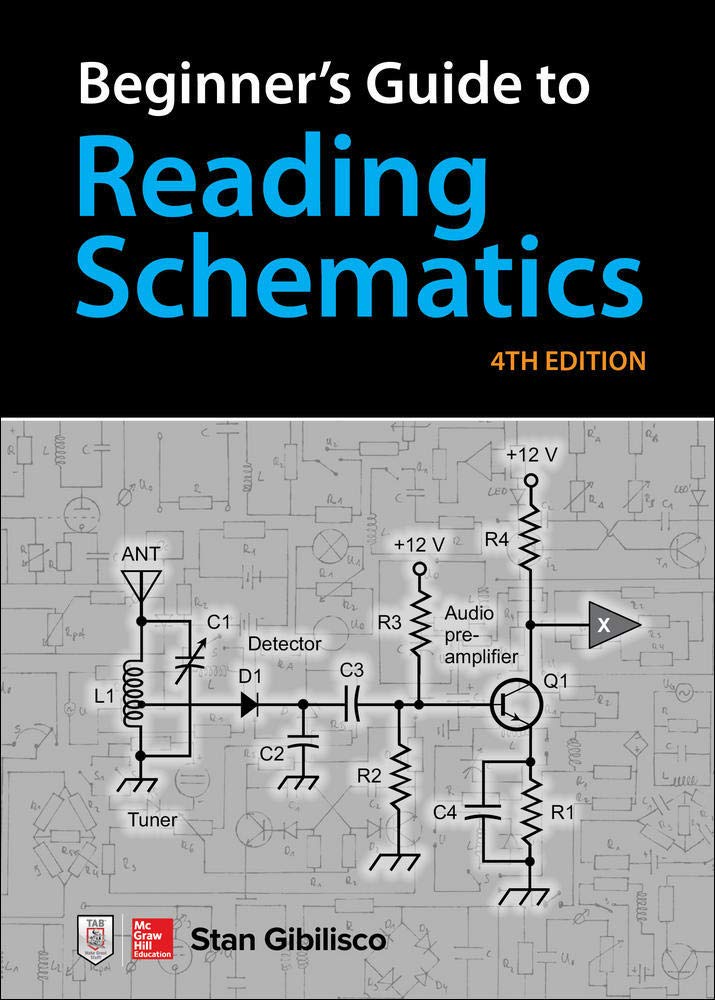
The title clearly states its audience—absolute beginners—and its scope—understanding circuit diagrams—while the subtitle and table of contents suggest breadth without becoming overwhelming. At just under 230 pages, it’s compact enough for quick self-study, yet the structure ensures thorough coverage.
The writing is approachable without feeling dumbed down; technical terms appear only after context is established, with jargon defined in situ or in the appendices. This relieves the typical anxiety of picking up an engineering book when you lack formal training, a design choice that complements the publisher’s broader commitment to making learning accessible.
Organization deserves praise. Early chapters focus exclusively on symbols and conventions: resistors, capacitors, switches, wires, and connectors are detailed with both functional description and practical variations, notably resistor color codes and standardized symbols for international use. From there, the material expands spatially—how symbols connect into blocks, how schematics translate into breadboards and PCBs—before vertically ascending into active components like diodes, transistors, op-amps, and integrated circuits.
The progression into increasingly involved circuits feels natural; complexity is layered step-by-step, starting with simple voltage dividers and moving into refined troubleshooting techniques and complete functional circuits. One particularly helpful feature is the comparative use of block, schematic, and pictorial diagrams for the same circuit, helping readers relate abstract symbols to physical layouts—a visual bridge many similar texts lack. DIY guidance is practical without veering into full-fledged project manuals, keeping focus squarely on interpretation rather than construction.
The appendices are a strong addition—symbol cheat sheets, a comprehensive resistor color code chart, and a list of parts suppliers make the book a reference as much as a tutorial, handy when working with real-world schematics rather than just textbook examples.
Its emphasis on interpretation rather than mastery could feel like a limitation to those impatient to design advanced circuitry, but given its purpose, that’s a conscious design decision rather than a shortcoming. The up-to-date content respects modern digital electronics, including logic gates and functional circuit pages relevant to microcontrollers and IoT devices.
For EDC and prepping contexts, the text isn’t about individual gear specs—it’s about learning the universal grammar behind electronic modules in radios, chargers, sensors, and communication devices. That skill means you’re not locked into instruction manuals alone; you can reverse-engineer trail-friendly gear or diagnose failures in the field.
The book’s smaller paperback footprint makes it easily storable in a backpack alongside gear notes, and the publisher’s lineage, spanning more than a century, assures credibility.
What sets the text apart is how it equips a novice with skills that scale; starting with reading resistors, you eventually build the fluency needed to understand military field repair manuals or experimental DIY circuits. Whether keeping it as a digital copy for field access or adding it to a shelf for long-term skill-building, its value is in translating a once-intimidating language into something you can quickly and confidently use.
