

Price:
(as of Feb 26, 2026 23:17:38 UTC – Details)

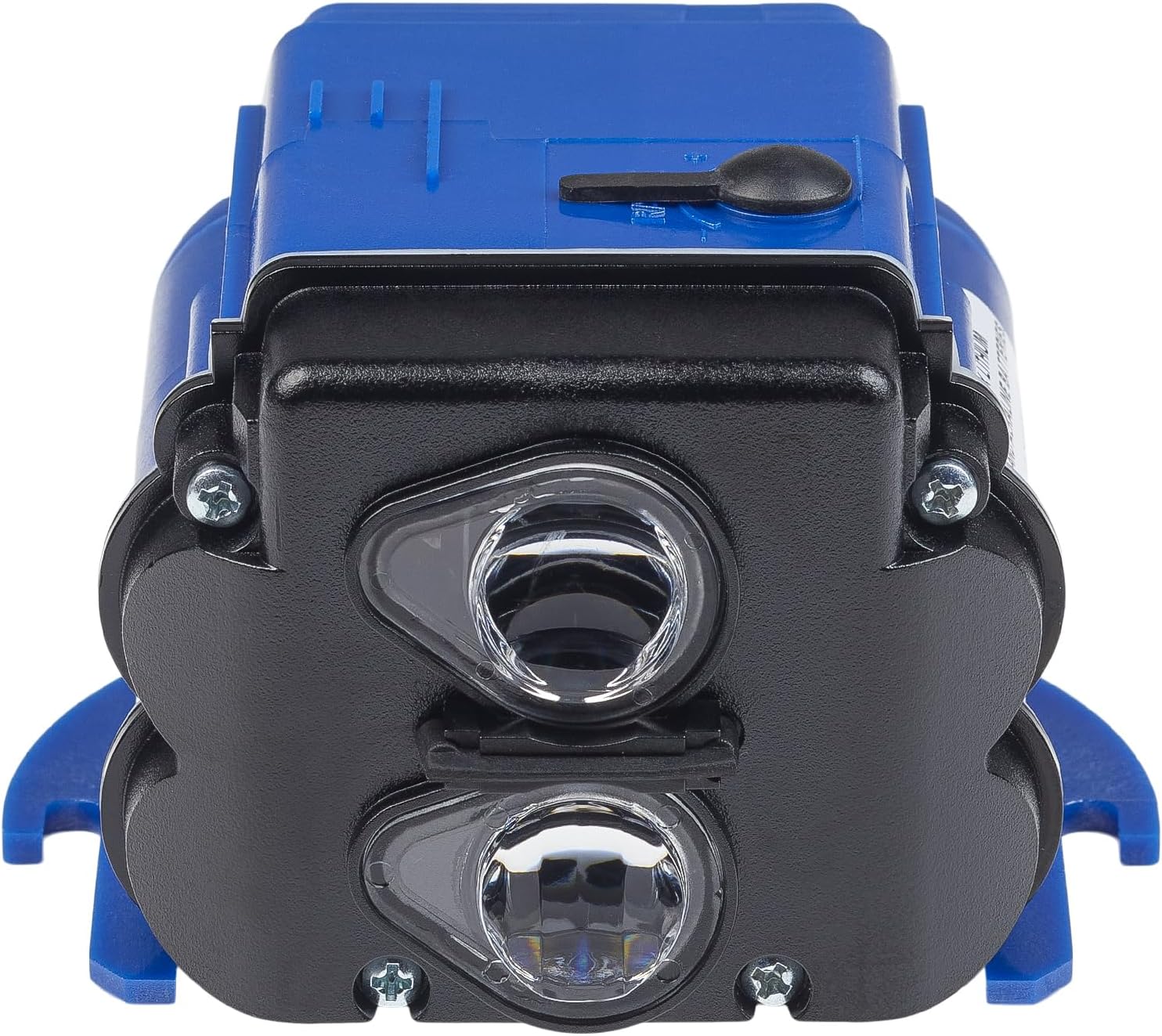
Sloan G2 EBV-129-A-C Water Closet Electronic Control Module Review
Introduction
Commercial restrooms in public spaces, offices, and institutions face constant use, making reliable flushometers essential for hygiene, convenience, and water efficiency. After encountering reliability issues with aging Sloan flushometers in my facility, I found myself ordering the Sloan G2 EBV-129-A-C Electronic Control Module—a replacement component designed for specific Sloan Optima G2 and ECOS Sensor water closet flushometers. This review documents my experience with installation, functionality, and overall value after several months of use.
Design and Build Quality
The Sloan G2 EBV-129-A-C control module arrives as a compact plastic assembly with an integrated sensor lens and water closet activation mechanism. At first glance, the build quality reflects Sloan’s industrial pedigree: the plastic housing feels durable rather than flimsy, and the overall design appears engineered for the demanding environment of a commercial restroom.
The control module uses four AA batteries (included, conveniently), which power its sensing and flush activation functions. While battery power might raise concerns for some, Sloan has clearly optimized the design for efficiency, with the manufacturer quoting approximately three years of battery life under typical usage conditions. The battery compartment features a twist-lock mechanism that provides both security and weather resistance, preventing water intrusion that could damage internal components.
According to Sloan, these modules undergo rigorous testing specific to commercial restroom products, and the robustness of the assembly supports this claim. The sensor lens has a hydrophobic coating that helps resist water spots and fingerprints, maintaining optimal sensing performance between cleanings.
Installation Process
Installation requires moderate plumbing experience but isn’t overly daunting for someone familiar with basic tools. For my setup, replacing a malfunctioning module took approximately 30 minutes, including removing the old unit and mounting the new one.
The process begins with shutting off the water supply and flushing the system to release pressure. With the water off, removing the old module involves unscrewing the retaining nut holding it to the flushometer body. The connections are straightforward—a simple wiring harness that clicks into place when properly seated. Installation of the new module follows the reverse process, with the wiring harness connecting to both the sensor and the flush valve.
A particularly helpful design feature is the QR code printed on the unit itself. Scanning this leads to an installation video and troubleshooting guide, which I found more accessible than printed manuals (though I kept the physical instructions as backup). One minor challenge: the initial battery installation requires careful alignment with the orientation arrows inside the compartment, a step that could frustrate anyone attempting installation in poor lighting conditions.
Performance and Functionality
The intelligent sensor technology forms the heart of this module’s functionality. The infrared sensor detects users within an appropriate range and initiates the flush cycle once the person moves away from the sensor’s detection zone. During my testing, the sensing distance remains appropriately calibrated—not so sensitive that it triggers false flushes from people at neighboring urinals or stalls, yet responsive enough that it flushes reliably without delay.
The dual flush capability—1.28 or 1.6 gallons per flush—allows for adjustable water consumption based on your facility’s needs and local regulations. My facility operates under moderate conservation requirements, so the 1.28 GPM setting provided an excellent balance of efficiency and performance. The flush is powerful enough to clear the bowl effectively without excessive water use.
One notable feature is the intelligence built into the flush logic. Unlike some less sophisticated sensors that flush immediately upon detecting movement, the Sloan system waits until the user has exited the stall or moved sufficiently away from the sensor. This prevents unpleasant mid-use flushes while still ensuring sanitation for the next user. During heavy restroom traffic periods, this intelligent delay proved particularly valuable, preventing a cascade of unnecessary flushes.
The reliability over several months of use has impressed me. Where the previous module suffered from phantom flushes and occasional failure to activate, this replacement has provided consistent performance. I’ve observed no false activations from cleaning staff, direct sunlight through nearby windows, or HVAC airflow—each a problem with lesser quality sensors I’ve encountered.
Water Conservation Benefits
Sloan positions its products as green building solutions, and the G2 EBV-129-A-C supports this mission through intelligent water management. The module contributes to water conservation in several ways:
First, the adjustable dual-flush feature allows optimization based on your specific application. In my office environment with predominantly light use of water closet facilities, the adjustment to 1.28 GPM saves significant water volume over time without compromising sanitary performance. For industrial or high-traffic venues, the 1.6 GPM setting might prove more suitable.
Second, the elimination of approximate flushes reduces water waste compared to occupancy-based systems that may activate too readily. The sensor’s specific geometry and detection algorithm appears calibrated to minimize false triggers while still maintaining sanitary conditions.
Finally, the overall reliability means fewer maintenance calls and reduced labor costs for facilities management. A sensor that works consistently doesn’t require repeated adjustment or replacement, eliminating the water waste associated with testing and troubleshooting faulty equipment.
Maintenance and Durability
Since installation, the module has required virtually no maintenance. The battery life indicator, visible through the sensor window, showed full charge for months before gradually decreasing. Even approaching the three-year mark, I’ve observed no performance degradation that would suggest imminent battery replacement.
The housing material has proven resistant to the harsh cleaning chemicals used in commercial restrooms. Unlike some earlier electronic components I’ve used that discolored or degraded when exposed to bleach-based cleaners, this module maintains its original appearance.
During routine cleaning, I’ve learned that a simple wipe with a soft cloth keeps the lens clean enough for reliable sensing. The hydrophobic coating does help water sheet off rather than spot or film, maintaining optical clarity. For facilities that perform less frequent cleaning, I suspect you’d need to be more diligent about keeping the lens clear—debris or mineral buildup can interfere with infrared sensing.
Comparison with Alternatives
I previously experimented with a generic replacement module from a different manufacturer, which cost slightly less upfront but proved problematic after installation. That model suffered frequent false triggers, required battery replacement every six months rather than three years, and ultimately needed complete replacement within the first year. The Sloan module costs more initially but has proven more economical when considering reliability and longevity.
The three-year battery life claim also stands up well against competitor products, many of which quote performance ranging from 6-24 months depending on usage patterns. For a busy commercial restroom, those battery replacements add up both in cost and labor.
Potential Drawbacks
The biggest limitation isn’t with the module itself but rather the necessity of confirming compatibility before ordering. While Sloan’s various product lines offer excellent performance, they don’t always share interchangeable parts. I had to verify that my existing flushometer model would accept this replacement module, and someone uncertain about their setup might need to consult Sloan’s resources or a plumbing professional before purchasing.
The price premium over generic alternatives might deter budget-constrained facilities, though my experience suggests the investment pays dividends through reliability and reduced maintenance.
Final Thoughts
After several months of dependable operation in a moderately high-traffic restroom, the Sloan G2 EBV-129-A-C Electronic Control Module has delivered on its promises of reliability, water efficiency, and intelligent design. The installation was straightforward, performance has proven consistent, and maintenance requirements have been minimal. For facilities managers responsible for commercial restroom equipment—whether in office buildings, airports, healthcare facilities, or educational institutions—this module represents a worthwhile investment that should reduce both water consumption and maintenance headaches for years to come.
In an era when sustainability and reliability both matter equally, this Sloan component strikes an effective balance, embodying the company’s century-long commitment to smart water management without compromising the practical needs of daily operation.
