
Price: $77.40
(as of Feb 26, 2026 19:28:49 UTC – Details)

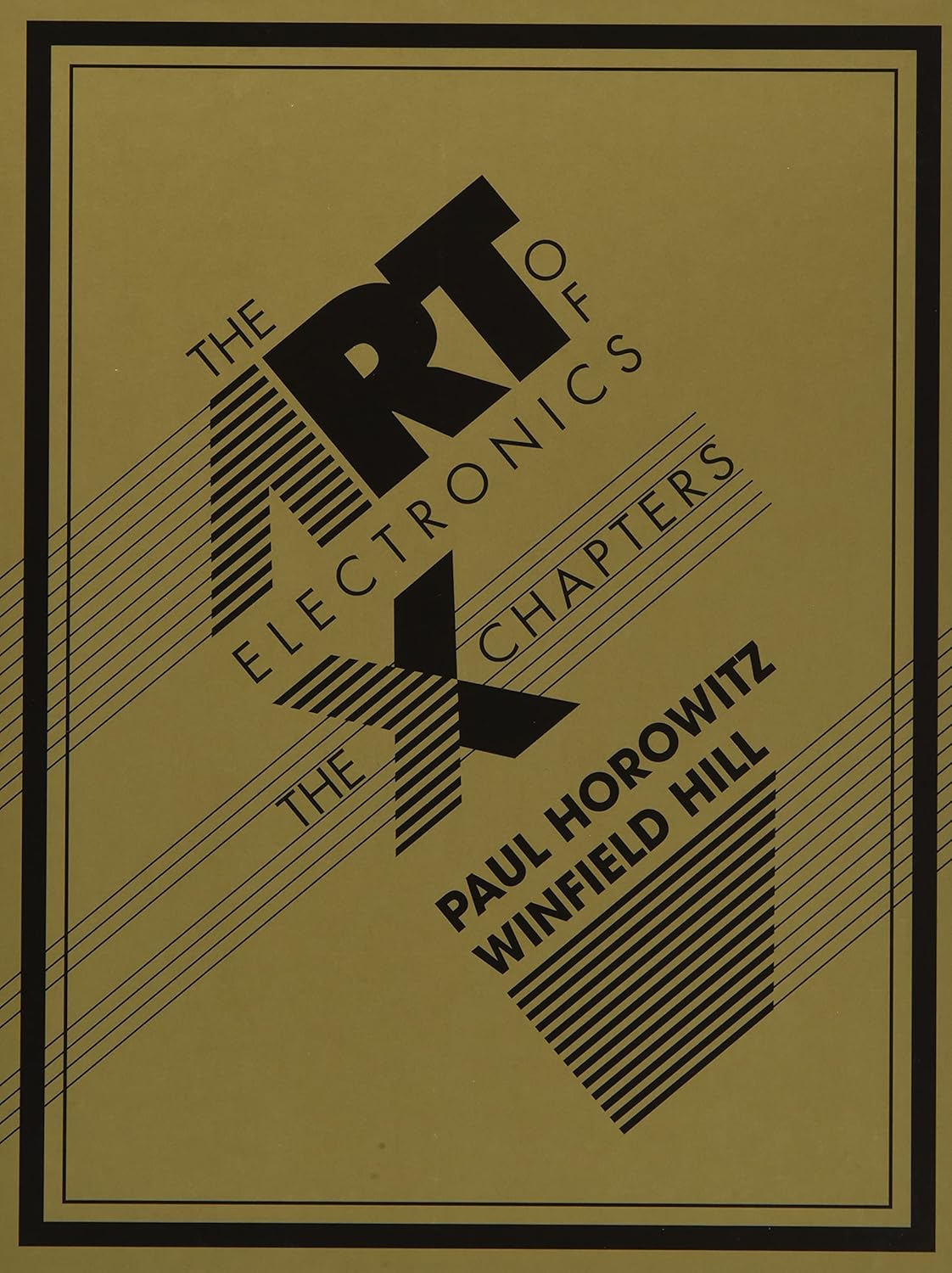
The Art of Electronics: The x Chapters by Paul Horowitz and Winfield Hill serves as both a natural extension and a complementary deep-dive to the third edition of their iconic text. Positioned as the “missing pieces” of that earlier work, it delivers a blend of advanced topics, out-of-the-ordinary techniques, and genuinely novel insights that don’t quite fit under the banner of a general electronics primer.
A quick glance at its size and visuals makes it clear that this is not simply an incremental update. It runs to 522 pages in large, comfortable print, packed with over 300 original circuits, as well as 300 graphs and 100 oscilloscope screenshots—all designed not only to explain theory but also to let readers visualize real-world behavior. These illustrations are particularly important for understanding subtle effects in analog design, current boosting strategies, and switching noise—areas where a static formula alone might obscure practical pitfalls. Fifty full-resolution photos add an extra layer of tangibility, while 24 tables (covering MOSFET parameters, op-amp characteristics, driver families, and more) act as ready references for real design work.
The authors adopt the same pragmatic, example-heavy approach that made the earlier editions so beloved, but here the emphasis is squarely on techniques and insights that are either underappreciated or simply hard to find elsewhere. You might run into a discussion of unusual biasing topologies, innovative rectifier circuits, or troubleshooting methods grounded in empirical observation rather than idealized theory. At times this means material feels almost discursive—a kind of “electronics folklore” that experienced circuit designers sometimes pass on orally.
While the content is dense and assumes you’re already comfortable with basic and intermediate electronics, it isn’t impenetrable. The style is conversational yet precise, with step-by-step derivations that reward careful study. Because the volume serves both as a companion to the third edition and as a stand-alone window into more exotic aspects of the discipline, some readers will dip in for targeted learning, while others might read it cover to cover to enrich their overall understanding of circuit design.
In terms of physicality, it’s a substantial 2.5-pound paperback with dimensions comfortable for long study sessions. Its Amazon rank—especially as a top-three seller in physics books—suggests it’s managed to reach a broad technical audience, although the detailed, specialized character of the material speaks to an audience already steeped in the craft.
If the original Art of Electronics is your broad toolkit, The x Chapters represents both the specialized attachments you rarely find elsewhere and the deep-dive guidebook that walks you through why and how to use them.
