

Price:
(as of Feb 26, 2026 19:11:12 UTC – Details)

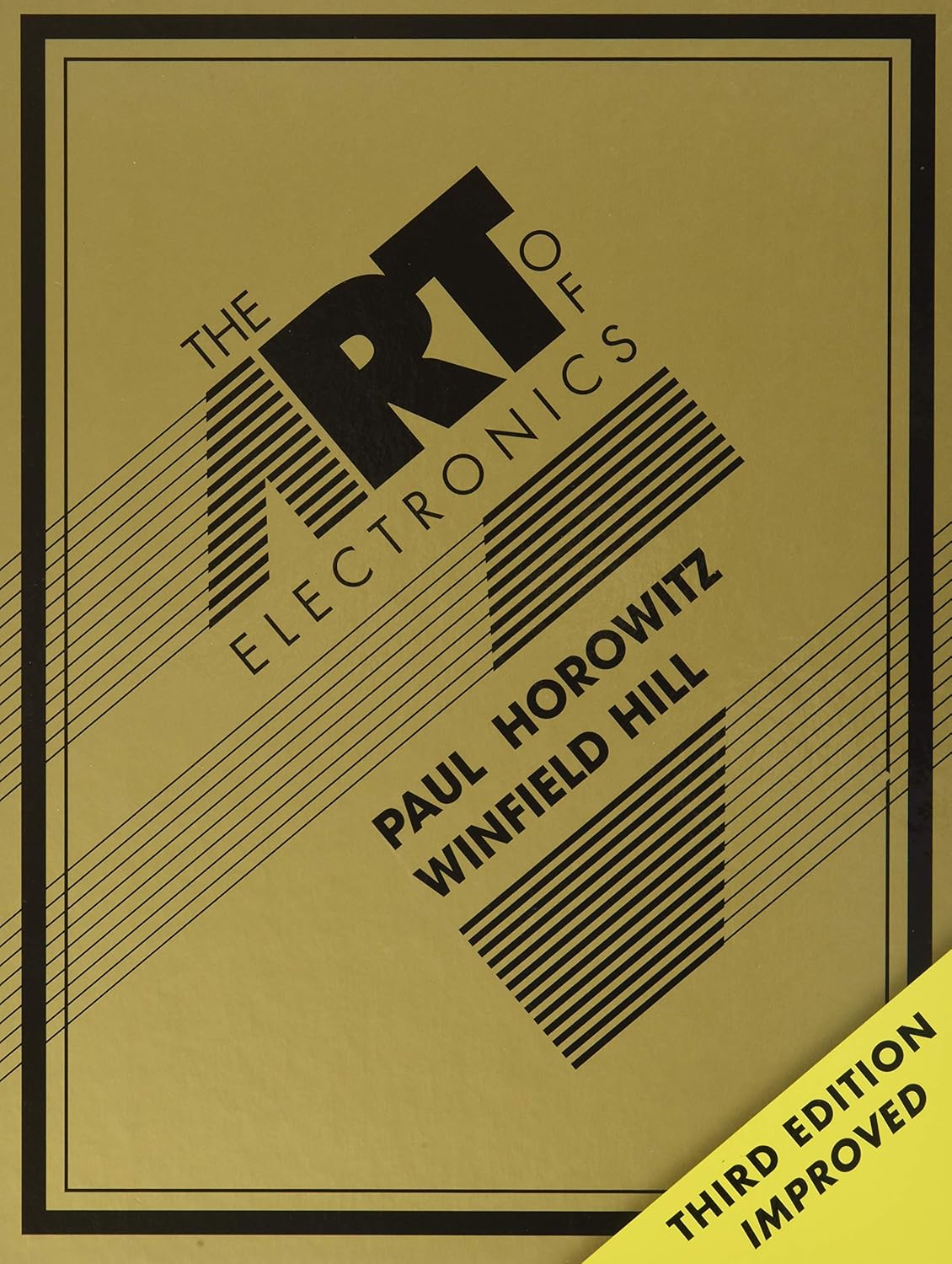
The Art of Electronics has long stood as an unparalleled resource in the world of electronic circuit design, and this thoroughly revised third edition continues to build upon the legacy of its predecessors. Spanning over 1,200 pages, the book is a substantial achievement in both breadth and depth, offering a comprehensive exploration of electronics that caters to professionals, students, researchers, and hobbyists alike.
What immediately sets this work apart is its blend of practical insight and academic rigor. The authors present topics with a clarity that makes complex concepts accessible, all while retaining the precision expected from a gold-standard textbook. Rather than relying exclusively on theory, the book emphasizes hands-on understanding, making it an ideal companion for those who wish to learn by doing. Throughout its pages, there is a reassuring sense of authority, yet the tone remains welcoming—a combination that has been central to the book’s longstanding popularity.
A notable enhancement in this edition is the inclusion of 90 oscilloscope screenshots. These visuals provide a window into the real-world behavior of circuits, turning abstract concepts into tangible realities. For anyone who has struggled with mismatched expectations between theoretical predictions and actual performance, these illustrations are immensely valuable. They bridge the gap between textbook theory and workshop reality, allowing readers to see how circuits behave in practice, including both their expected and unexpected characteristics.
The addition of dozens of carefully curated graphs is another strength. Often, datasheets will provide only partial or idealized measurements, leaving crucial information buried or omitted entirely. This book fills in those gaps, offering highly practical, measured data that is difficult to come by elsewhere. Whether selecting components for a new design or troubleshooting a misbehaving circuit, having access to this kind of empirical information is indispensable. It empowers designers to make more informed choices, avoid potential pitfalls, and build circuits with greater confidence.
The inclusion of 80 tables listing some 1,650 active components further underscores the book’s commitment to utility. These tables go beyond bare specifications, offering measured values alongside manufacturer data. This dual approach allows readers to not only choose components intelligently, but also to understand their true capabilities and limitations in real-world applications. For anyone who has faced the challenge of selecting the right transistor, op-amp, or regulator for a particular circuit, these tables prove to be a time-saving and essential reference.
Structure and organization remain thoughtfully maintained throughout the book. Chapter progression is logical, moving from fundamentals to more advanced topics in a way that ensures readers can gradually build their knowledge. The authors’ conversational style invites exploration, and the layout, while dense, is navigable thanks to clear headings, annotations, and examples. Despite its size—both in page count and physical weight—the book never feels intimidating, but rather like a comprehensive toolkit to be referenced and revisited over time.
What makes this edition stand out compared to earlier versions is the fresh content and expanded coverage. The authors have responded to the rapid evolution of electronics, ensuring that modern developments are well represented. Readers will find updated discussions on topics ranging from integrated circuit design to digital circuitry, making it as relevant to today’s designers as previous editions were for their respective eras.
The book’s versatility is perhaps one of its greatest assets. It seamlessly serves as both an academic textbook and a professional reference. Pedagogical elements such as solved examples, practical circuit illustrations, and design strategies are present, aiding students and newcomers. At the same time, its depth and authoritative style make it an indispensable resource for experienced engineers and researchers who need a reliable and thorough guide in their daily work.
In a field where information can often become outdated quickly, the durability of The Art of Electronics is notable. Each edition has reinforced its standing as the definitive text, and this third edition continues that tradition with aplomb. While it may not replace the immediacy of online resources or the sleekness of modern digital tools, its substance and depth guarantee its place as a lasting reference.
Some may find the book’s physical heft daunting, and the occasional density of material may require patience, but these are minor considerations compared to the rewards of engaging with such a resource. Whether you’re starting out in electronics or refining long-honed skills, the third edition delivers on its promise: to be the authoritative, accessible, and enduring guide for professionals and enthusiasts alike.
In summary, The Art of Electronics remains an indispensable reference—a gold standard whose reputation is well earned. The latest edition only enhances that status, providing readers with an even richer, more practical, and thorough guide to the ever-evolving field of electronic circuit design. For anyone serious about working with electronics, this book belongs on the desk or workbench, ready to be consulted as often as needed.
