


Price:
(as of Feb 27, 2026 03:32:06 UTC – Details)

When it comes to keeping a home free of unwanted critters, many people are turning away from traditional traps, poisons, and chemical sprays in favor of modern, non-invasive solutions. One such innovation is an ultrasonic and electromagnetic pest repellent that promises to quietly and safely deter rodents, insects, and spiders—without the mess or danger of conventional methods. After spending several weeks with this device, it’s clear that, while it works quietly in the background, actual results depend as much on the environment and pest type as on the technology itself.
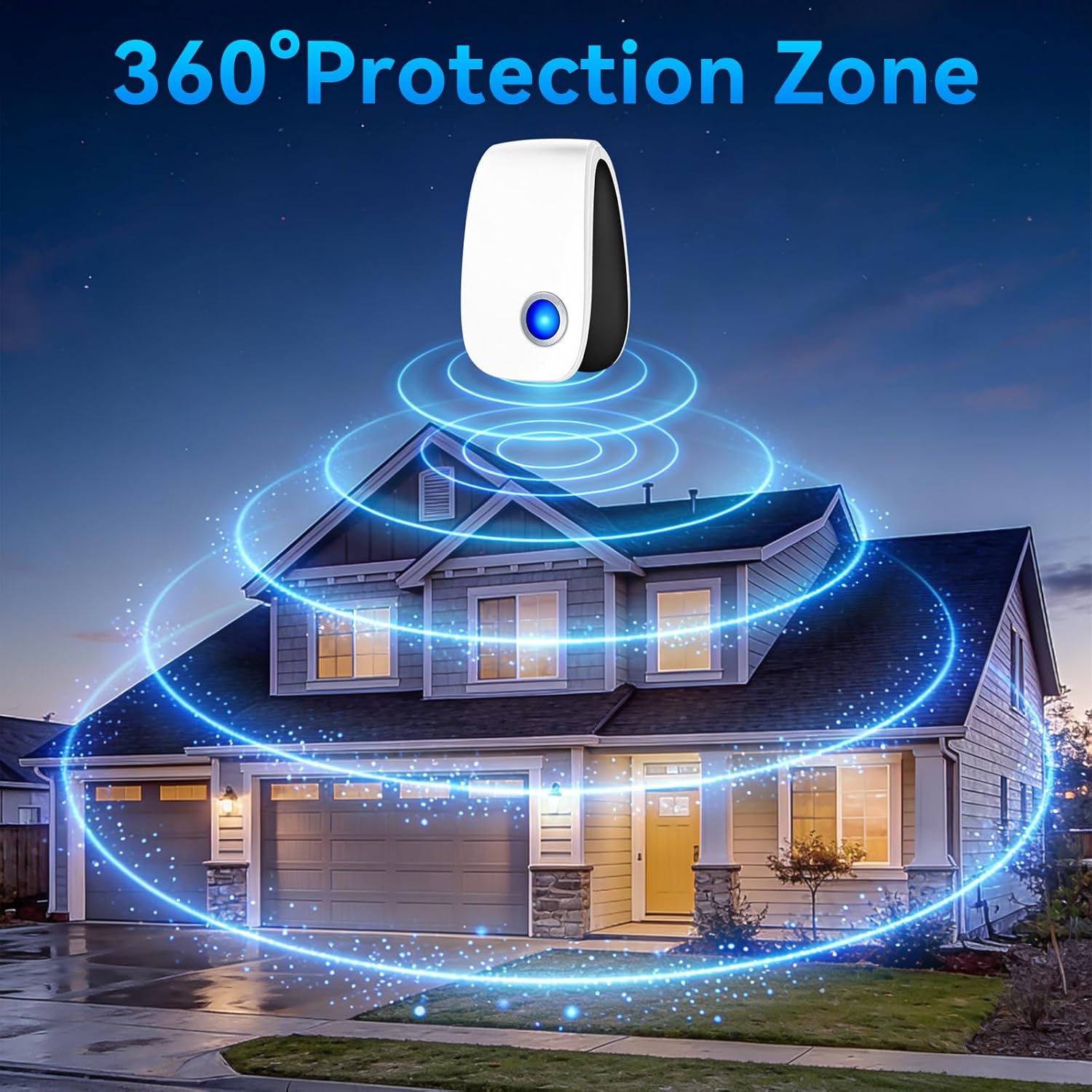
At first glance, the unit’s compact plug-in design is appealing—it’s simple to use, doesn’t require professional installation, and can blend unobtrusively into any room. The promise of a coverage area spanning up to 1,200 to 2,000 square feet per device is attractive for larger homes. Powered by a combination of ultrasonic sound waves and electromagnetic pulses, the device is designed to create an environment that’s uncomfortable for pests but leaves humans and non-targeted pets unaffected. The ultrasonic waves can’t penetrate walls, so for multi-room homes, the recommendation is to use one in each area where pests might enter.
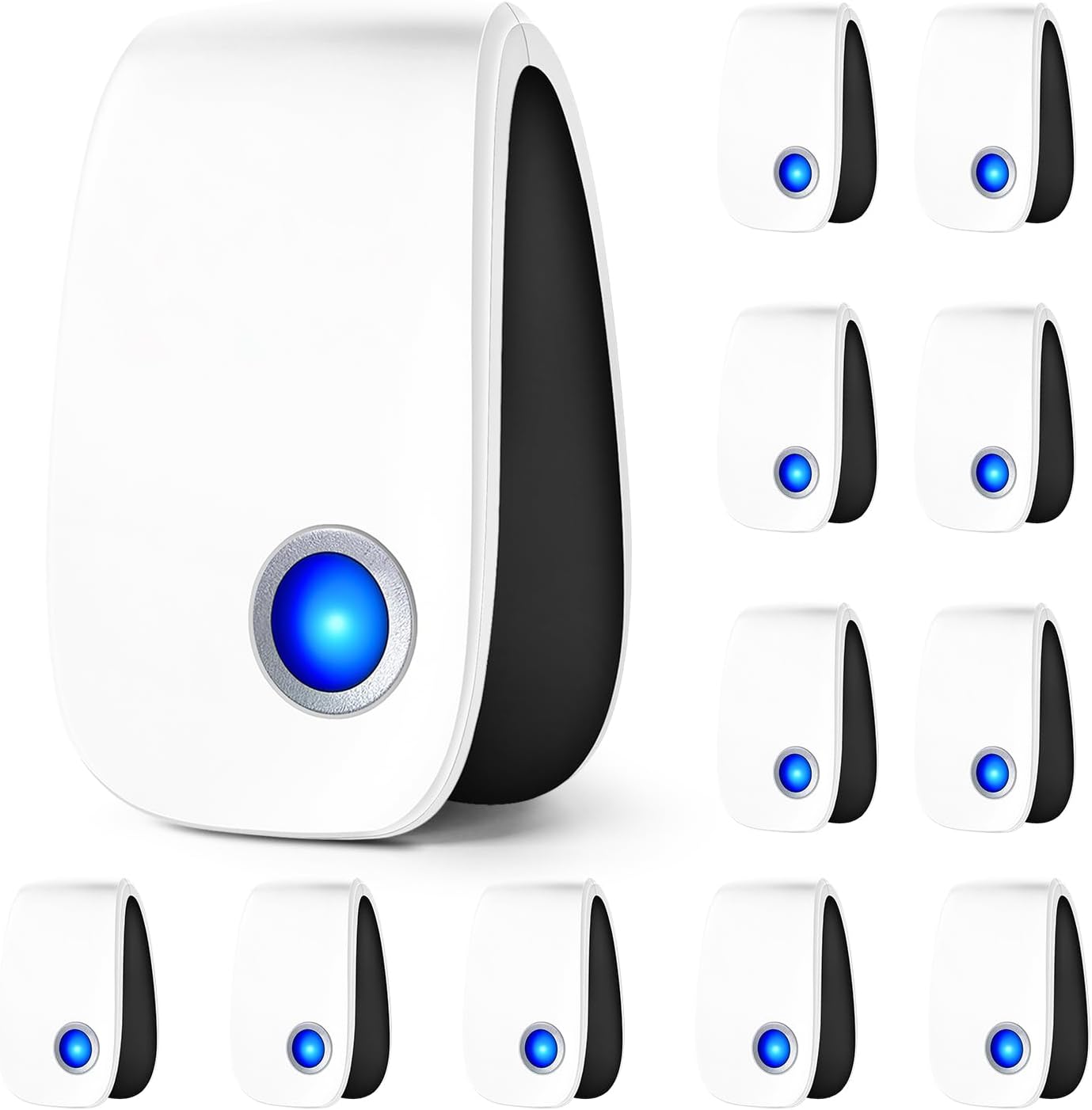
Setting up the device is incredibly straightforward: simply plug it into a standard wall socket. There’s a small indicator light to let you know it’s powered on, but otherwise, the device is silent. For anyone who’s ever dealt with the unsettling buzz of plug-in traps or the dread of seeing pests caught in glue boards, this is a relief. There’s no need to check traps or clean up dead bugs, and the ongoing cost is minimal—power usage is low and ongoing maintenance is basically nonexistent.
The broad-spectrum effectiveness listed for this device is wide-ranging: mice, rats, cockroaches, ants, spiders, fleas, mosquitoes, and even flies, among others. Each species responds differently to ultrasonic and electromagnetic frequencies, so variability in results can be expected. For common insects, like ants and mosquitoes, users might notice a decrease in activity within the first couple of weeks, as these critters may avoid treated spaces. For larger pests like mice and rats, results take longer and require more persistence. Rodents are creatures of habit, and newly introduced ultrasonic sound can initially confuse or agitate them, but with no alternative space available, some may simply relocate or adapt rather than leave.
It’s important to note that these devices work best in open, uncluttered areas. Placing them behind large furniture, near thick curtains, or close to other sources of sound can limit their effectiveness. Likewise, in homes with heavy infestations, relying on a single device (or even one per room) may not be enough; supplemental pest control measures—such as sealing food, closing gaps in baseboards, and keeping areas clean—are strongly advised for best results.
One significant advantage is safety, especially for families with young children or household pets. Unlike poisons or snap traps, there’s no risk of accidental exposure, and the humane aspect is a big selling point for many. The devices are also unobtrusive—there’s no smell, no noise, and no need to vacate rooms or cover food during installation.
And yet, the lack of audible or visible feedback can make it feel less tangible than traditional methods. When plugging in a trap or applying poison, users immediately see or smell something—there’s a sense of direct action. Here, you’re essentially trusting that something is happening out of sight. With pests that nest in walls or beneath floors, the results can take weeks to notice—or may require some patience if the only change is a reduction in sightings rather than a total disappearance.
Another subtle consideration is that the effectiveness may be affected by climate, regional pest populations, and even individual behavior. For instance, in particularly warm or humid environments, some insects may be less deterred by ultrasonic waves. Similarly, some species of rodents may eventually adapt or learn to avoid certain frequencies altogether, reducing long-term efficacy. Manufacturers suggest using the device for at least 2-3 weeks before evaluating results, but in stubborn cases, doubling up with physical deterrents may still be needed.
The eco-friendly angle is also worth highlighting. Since there’s no need for disposable traps or chemical waste, these devices are a low-impact option for pest control. In homes trying to minimize their environmental footprint or reduce chemical exposure (especially in kitchens or children’s rooms), this can be a significant bonus. For those with allergies or sensitivities, the lack of scent or airborne particles is another advantage.
In practical terms, this product works best as a preventative tool or ongoing management solution rather than a quick extermination method. If pests are already inside your walls or attic (like in cases of longstanding mice), don’t expect an overnight solution. For prevention—or for existing minor infestations where you want to avoid toxins—the peace-of-mind offered is hard to beat.
All in all, this modern pest repellent offers a blend of convenience, safety, and subtle operation that’s aligned with the needs of contemporary households. Its unassuming presence may not instill confidence at first, but over time many users appreciate the hands-off, non-invasive nature. While results may vary depending on your home’s layout, the type of pest, and how well the space is “pest-proofed,” it presents a promising alternative for those looking to avoid traditional chemicals and traps. For ongoing control—or as a first line of defense—it’s a valuable tool to have plugged in before problems get too big. For the best results, use it as part of an integrated approach, and be patient: good pest control, like most things, rarely happens overnight.
